Reverse Halo Channel Letters: How They Work, What Drives the Price
A reverse halo letter looks like nothing from the front. The face stays dark and the wall behind it does the lighting. In our shop that effect comes down to four decisions — return depth, backer colour, where the LED modules point, and what the wall is made of.
Most buyers arrive after seeing a photo of a storefront they liked and asking us to make “the same thing”. By the time we quote, a good share of those photos turn out to be halo-lit letters built for a flat, pale wall. That is why they looked the way they did. Run the same letter onto dark brick and it becomes a thin outline nobody notices from the road.
Here is how we actually specify one, and where the money goes.
1. What “reverse halo” actually means
Three constructions get called “lit letters”, and they behave differently on a wall.
Front-lit is the gas-station look: a translucent acrylic face, LED modules inside pointing forward, the whole face glows. Readable in daylight, loud at night.
Light boxes take it one step further — a flat cabinet with a single illuminated face. Cheapest per square foot, most even light, least depth.
Reverse halo, also sold as halo-lit, back-lit or backlit letters, turns the light around. The modules are mounted on the back panel facing the wall instead of the face. The face stays opaque — painted aluminium, brushed stainless or dark acrylic — and the light bounces off the wall and spills back around the letter silhouette.
At night you see a dark shape with a glowing outline. In daylight you see a solid dimensional letter with a clean painted edge.
That is the entire trick, and it depends on the wall more than on the sign.
2. The wall decides whether it works
The first question we ask is not about letter height or font. It is: what colour and texture is the wall behind it?
A pale, flat, matte wall — painted stucco, white concrete, smooth render — throws light back cleanly. The halo reads as a wide, soft glow and the letter looks expensive.
A dark wall absorbs most of it. The same sign becomes a thin rim, and owners usually blame the LEDs when the real problem is charcoal paint.
Textured surfaces — split-face block, raked brick, rough stone — break the bounce into patches. Up close it can look deliberate. From across a parking lot it looks like a mistake.
3. What drives the price
Halo-lit letters usually land in the same range as front-lit ones. The fabrication effort is similar; what changes is the return depth, the backer and the mounting hardware. The money goes to five places.
Letter height. Price tracks the perimeter of the logo rather than its area. Tall, thin letters cost more than people expect, because there is more edge to cut, weld and paint.
Return depth. A deeper return uses more material and more welding, but it also widens the glow. This is the single specification buyers most often under-specify.
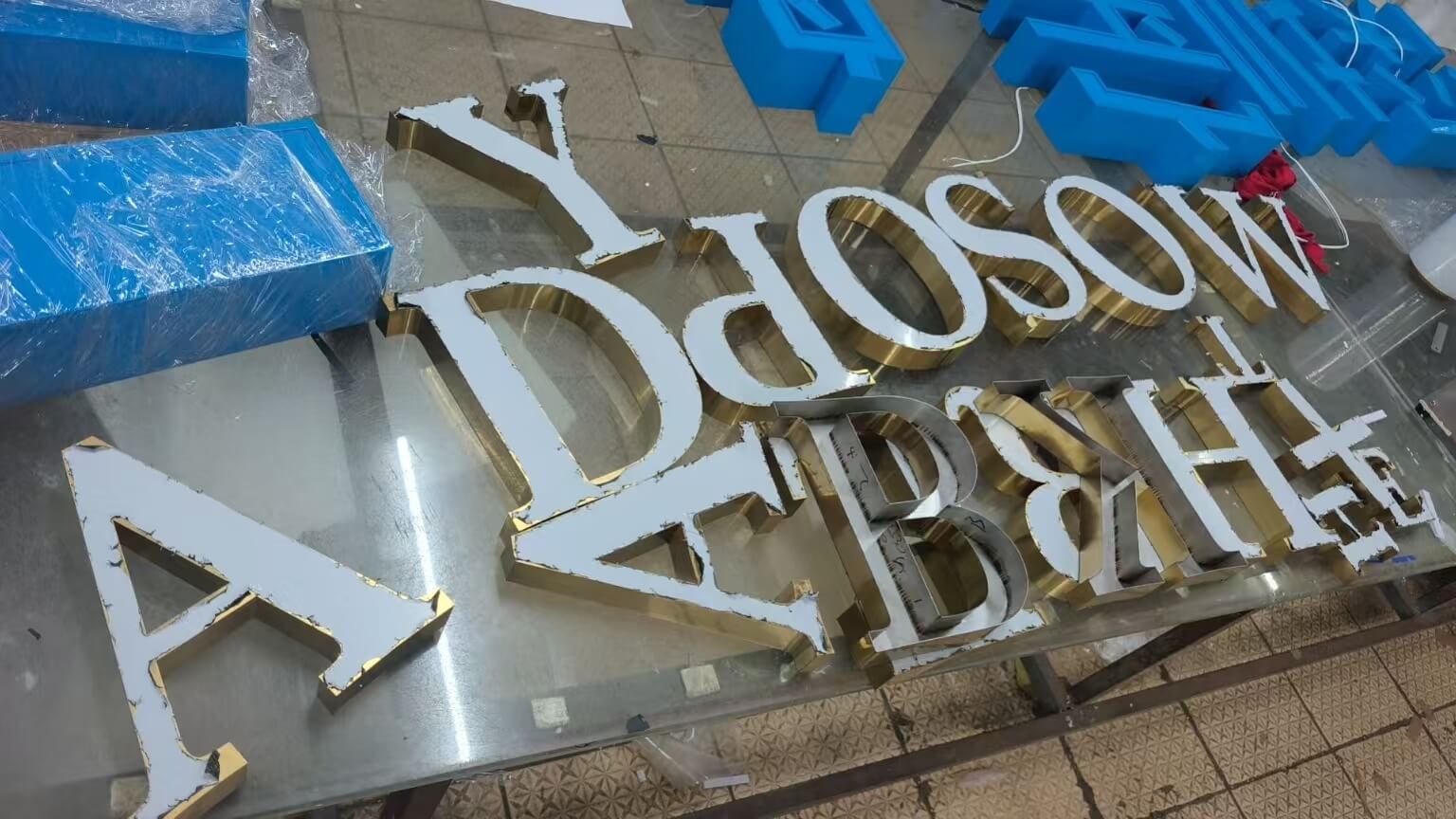
Face material. Painted aluminium is the workhorse and the cheapest sensible option. Brushed stainless adds cost but holds up better on a coastal facade.
Bronze and other brushed-metal finishes change the lighting spec as well as the look: a matt dark face throws less light back at the wall than a white one, so the LED count has to be settled at the same time as the colour. Bronze halo letters in Europe covers the finishes, the CE paperwork and coastal maintenance in detail.
LED count. A halo needs enough modules to wash the wall evenly. Cutting the count to save money is exactly how you get visible hot spots between letters.
Number of separate pieces. One line of text is one job. A logo, two lines of text and a separate icon is four jobs, each with its own wiring, mounting and packing.
For actual figures, see how custom commercial sign pricing works and what 24-inch channel letters cost.
4. Depth and standoff: the two numbers that change the look
Return depth is the distance from the face of the letter to the wall. Around 3 inches reads tight and graphic — the glow hugs the silhouette. Around 6 inches reads soft and wide, and the letter starts to look as if it is floating.
Standoff is the gap the mounting hardware creates between the back of the letter and the wall surface. It is what lets light escape sideways. Too little and the halo collapses into a hard edge; too much and the letter looks like it is standing on stilts.
The backer matters as much as the depth. A white backer reflects more light and brightens the halo. A black or matching-colour backer makes the glow tighter and more graphic. Neither is better — they are two different looks, and we draw both before you commit.
5. What your installer needs from us
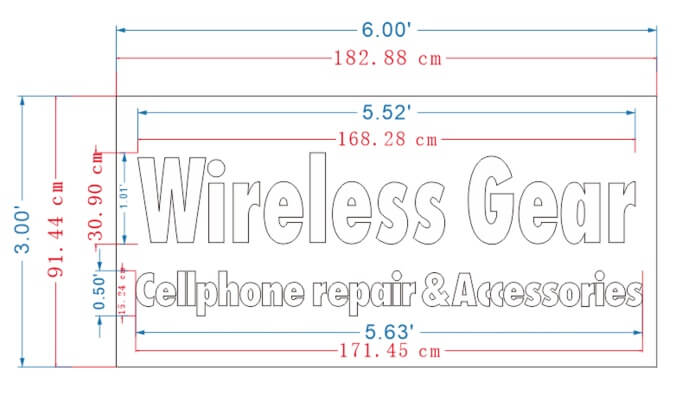
Every reverse halo order ships with full-size shop drawings: letter outlines, mounting hole positions, the electrical feed point and the transformer location.
Two things cause most installation problems. The first is the wall substrate — drywall will not hold a 6-inch stainless letter, and masonry anchors have to be chosen before the sign is fabricated, not after. The second is where the power comes out of the wall. If the feed point lands directly behind a letter, the transformer has to live somewhere else.
Send us the wall photo and the feed location before we cut metal, and the install becomes a morning’s work. For the general case, see how commercial signs are mounted.
6. Lead time and shipping
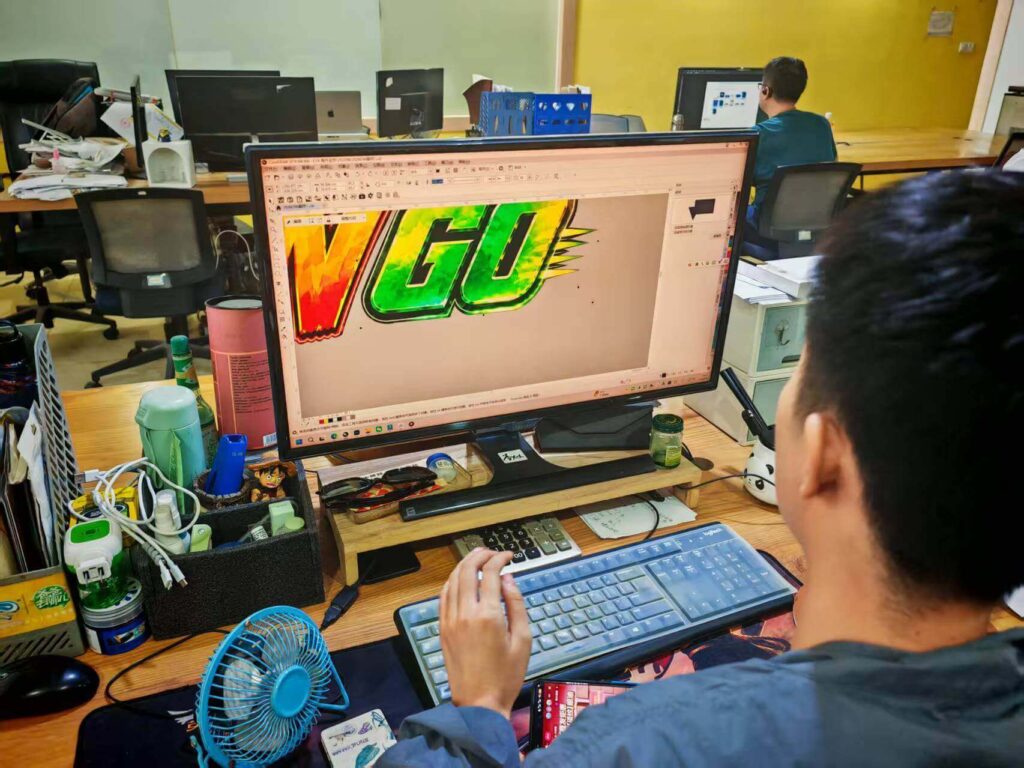
Production follows the same schedule as any custom channel letter order. The halo version is not slower to build, but it is less forgiving of artwork problems, because the halo exposes the outline of every letter — a ragged curve or a closed counter shows up immediately.
Orders ship DDP, which means freight and customs clearance are ours to arrange and yours to receive. Halo letters are packed face-down in a timber crate, with the mounting hardware and transformer boxed separately inside.
For timelines, see how long a custom sign takes; for freight, see DDP shipping costs.
7. When we tell a customer not to buy halo-lit
There are cases where we would rather lose the order than sell the wrong sign.
The sign has to win at highway distance. A halo letter is a night-time, pedestrian-distance product. If its job is to be read from 300 feet at speed, front-lit is the correct answer.
The wall is dark and cannot be changed. No amount of LED output fixes a charcoal wall.
The letters are small. Below roughly 8 inches tall the halo becomes a line rather than a glow, and the effect largely disappears.
The budget is set by cost per square foot. Halo is a design choice. If the driver is coverage, a light box will cover more wall for less money.
8. Real projects
- Vasilis — backlit restaurant letters, New York
- Round halo-lit signs for a New York college
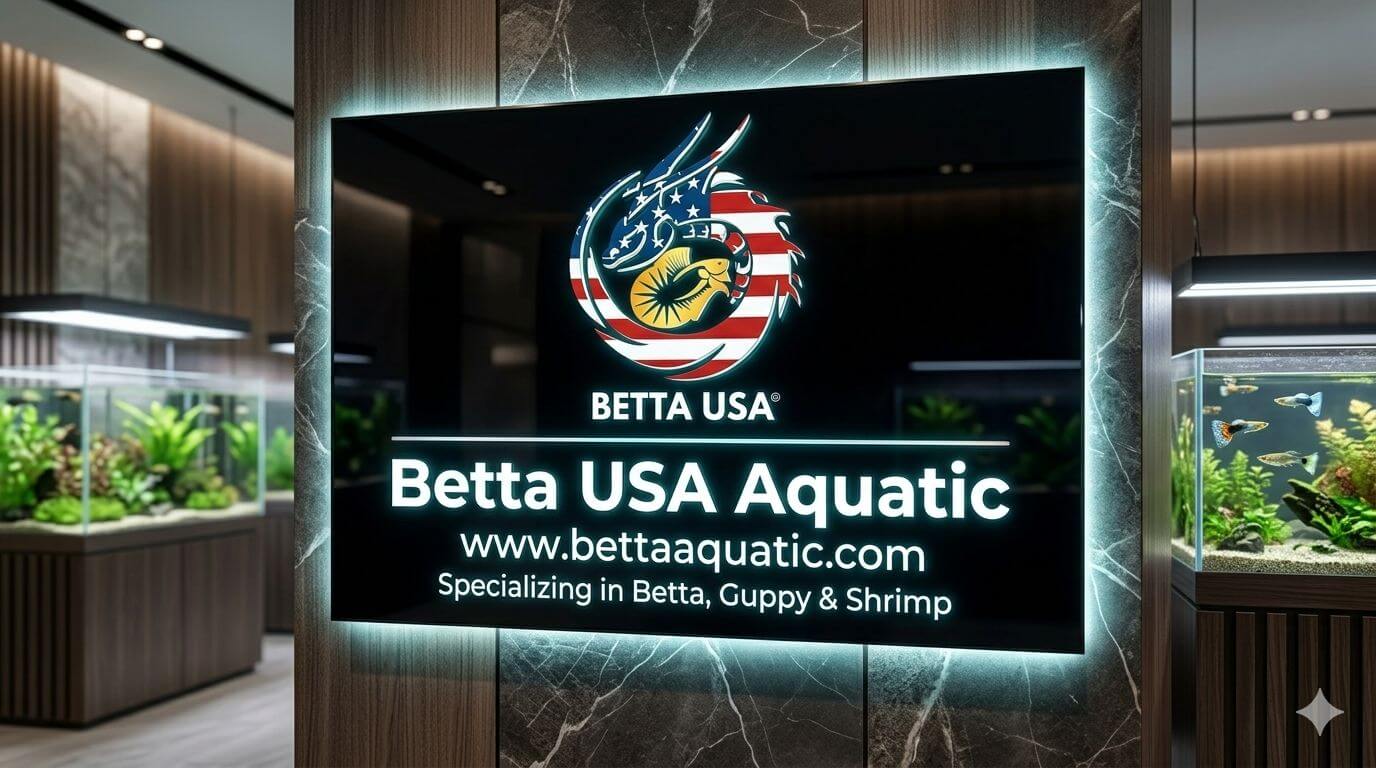
- Betta USA — halo-lit storefront
- Beer cave cooler letters — c-store
- Shell gas station channel letters
Frequently asked questions
Are reverse halo letters more expensive than front-lit letters?
Usually not much. The fabrication effort is similar — what changes is the return depth, the backer and the mounting hardware. The price difference is normally driven by the same factors as any letter job: letter height, material, and the number of separate pieces.
Can I use halo-lit letters on a dark wall?
You can, but the effect will be much weaker. A dark wall absorbs most of the reflected light, so the halo reads as a thin rim instead of a soft glow. If the wall cannot be changed, a front-lit letter with a painted return gives more contrast at night.
What letter depth do I need for a good halo?
Around 3 inches gives a tight, graphic outline; around 6 inches gives a soft, wide glow. Depth also has to work together with the standoff, because the two set how much light escapes and how far it spreads across the wall.
Do halo-lit letters work in daylight?
Yes, in a different way. The face is opaque, so in daylight you see a solid painted or stainless letter with clean dimensional edges. There is no glow, but the letter reads clearly as a physical object rather than a flat panel.
How long does a reverse halo sign take to make?
It follows the same production schedule as any custom channel letter order, plus the artwork and mockup stage at the front. The halo version is less forgiving of artwork problems, because the outline of every letter is what the light traces.
Compare the product pages for channel letters, reverse halo signs and custom light boxes. If you are still deciding between constructions, channel letters, halo letters or a light box walks through the same decision in more depth. Then check which LED modules we use and inches to centimetres if your drawings are metric.
For a European project, bronze halo letters in Europe walks through the finish, CE and IP65 questions in the order a European buyer raises them.
Send us your wall
A photo of the facade at night, your logo file, and the size you have in mind. We send back a 3D mockup drawn on your actual wall, plus a price — usually within 24 hours.
Get a free 3D mockup